Why Silver Keeps Showing Up in Every Smart Conversation
Okay, so let’s just say it plainly. Silver doesn’t get the same spotlight as gold. Never has. But here’s the thing, that’s actually what makes it interesting, maybe even underrated in ways most people don’t pause to think about. If you’ve been curious about silver ETFs and haven’t quite figured out where to start, pull up a chair. This isn’t going to be a textbook walkthrough. Think of it more like a chat with someone who’s spent a fair bit of time watching the markets and made a few dumb calls along the way, learned from them, and kept going.
Now, one name that keeps popping up in Indian investment circles is Tata silver etf, and for good reason. It’s brought silver investing within reach for everyday folks who don’t want the hassle of buying physical metal, storing it somewhere safe, and then panicking every time prices swing. That whole drama? An ETF cuts through it cleanly.
So What Even Is a Silver ETF?
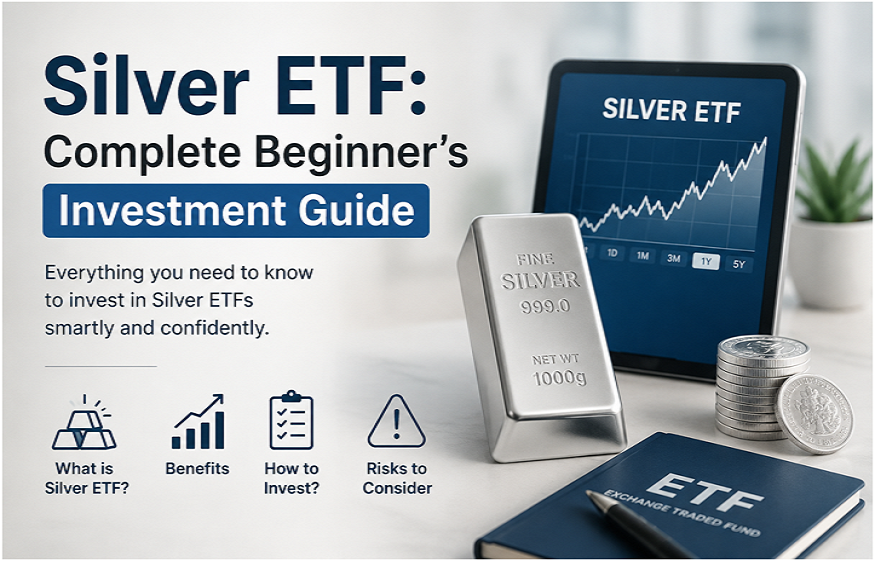
Here’s a simple way to think about it. Imagine you want to own silver but without actually holding a bar of it. A silver Exchange Traded Fund lets you do exactly that. It’s a fund listed on the stock exchange, and it tracks the price of silver. When silver goes up, your ETF value goes up. When it drops, well, you feel that too. But the point is, you get exposure to silver’s price movement without needing a locker or a jewellery box.
You buy it just like you’d buy a stock. Through your demat account. During market hours. It’s genuinely that straightforward. And the costs involved tend to be lower compared to holding physical silver, because you’re skipping things like making charges, storage fees, and the general anxiety of owning actual metal.
Why Silver, Though?
Gold gets all the love. Silver? Quietly does the work. And here’s what most beginners don’t realise at first. Silver is both a precious metal and an industrial one. It’s used in solar panels, electronics, medical equipment, and a growing list of green technologies. That dual demand is actually a big deal. When the economy is booming, industrial demand pushes silver prices up. When uncertainty creeps in, people treat it like a safe haven, similar to gold.
Read More: Understanding How ETF Returns, Taxation and Costs Work in India
Hold on, let me think about that for a second, because this dual nature really is the crux of why silver behaves differently than gold. It’s more volatile. No sugarcoating that. Prices can swing wider in shorter windows. But for someone with a long time horizon and some appetite for volatility? That same swinginess can translate into meaningful gains if timed even reasonably well.
Getting Started Is Easier Than You Think
People sometimes assume that investing in ETFs requires deep market knowledge or a big starting amount. Neither is true. You need a demat account, a trading platform, and some money you’re genuinely okay putting to work for the medium to long term. That last bit matters. Don’t put in money you’ll need next month.
Once you’ve got your account set up, you search for the silver ETF you want on your platform, check the current price, and place an order. That’s it. The NAV, which stands for Net Asset Value, will roughly mirror the current price of silver in the market. Most silver ETFs in India hold silver of 99.9 percent purity, so you’re tracking the real thing, just digitally.
Now, tata silver etf specifically has gained traction among newer investors partly because the fund house behind it has a reputation for straightforward communication and relatively clean fund management. That trust factor counts for something, especially when you’re learning the ropes.
What Actually Affects Silver Prices?
This part genuinely trips people up. You’d think silver just moves with gold. Sometimes it does. But the real drivers are more layered. Global industrial demand matters enormously, especially as solar energy installations scale up worldwide. The US dollar plays a role too, since commodities are globally priced in dollars, a weaker dollar typically lifts silver. And then there’s investor sentiment, central bank moves, inflation expectations, and good old supply disruptions from mining regions.
Read More: What is the purpose and function of a Demat Account
No single factor dominates all the time. That’s why silver can feel unpredictable. But over longer periods, it has historically held value reasonably well and even outperformed during certain inflationary phases. Not a guarantee. A pattern worth knowing.
Common Mistakes Beginners Make
First one is putting too much in too fast. The excitement of opening a new investment position is real, and it can lead to over-allocation. Silver should probably be a portion of your portfolio, not the whole thing. Most financial thinkers suggest keeping commodities between five and fifteen percent of total investments, though that varies by individual situation.
Second mistake is panic-selling during dips. Silver is volatile. Repeat that. Volatile. If you go in without accepting that, you’ll sell low and regret it. The people who’ve done well with silver ETFs over the years are typically those who held through the rough patches and let time do its thing.
Third? Ignoring expense ratio. This is the annual fee the fund charges to manage the ETF. It’s usually small, maybe 0.5 to 1 percent, but it compounds over years. Worth checking before you commit.
Tracking Your Investment Going Forward
Once you’re in, you’ll want to keep an eye on things without becoming obsessive about daily prices. A monthly check is healthy. A daily panic-scroll is not. Set an alert if the price moves beyond a certain threshold in either direction, and use that as your cue to reassess rather than react.
When people ask about monitoring performance, one practical move is following the tata silver etf share price over time alongside the broader silver commodity charts. If the ETF is closely tracking silver’s movement, the fund is doing its job well. Big divergences between the two are worth questioning.
Is This Right for You?
Here’s the honest truth. Silver ETFs aren’t for everyone. If you need guaranteed returns or can’t stomach any volatility, look elsewhere. But if you want a way to diversify beyond equities and fixed income, get some commodity exposure, and do it conveniently through your existing demat account, silver ETFs make a compelling case for themselves.
Keeping tabs on the tata silver etf share price as part of your broader portfolio review is a smart habit to build from day one. You don’t need to obsess, but you do need to stay informed. That’s the quiet discipline that separates investors who do okay from those who do well over time. Silver’s been around as a store of value for thousands of years. It’s not going anywhere. The question is just whether you want a piece of that story.